

Dear Anuttara Trika Kula and friends,
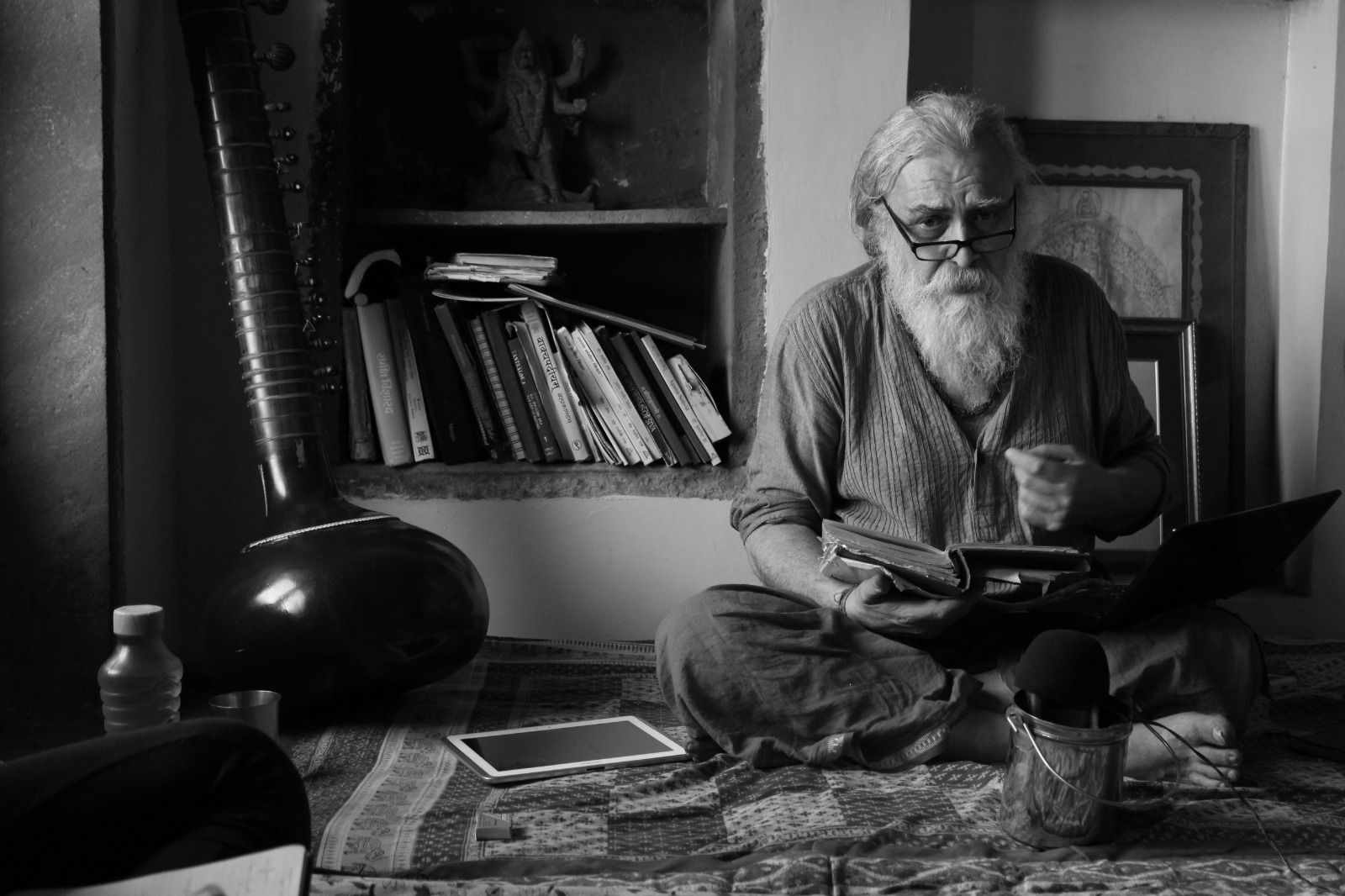
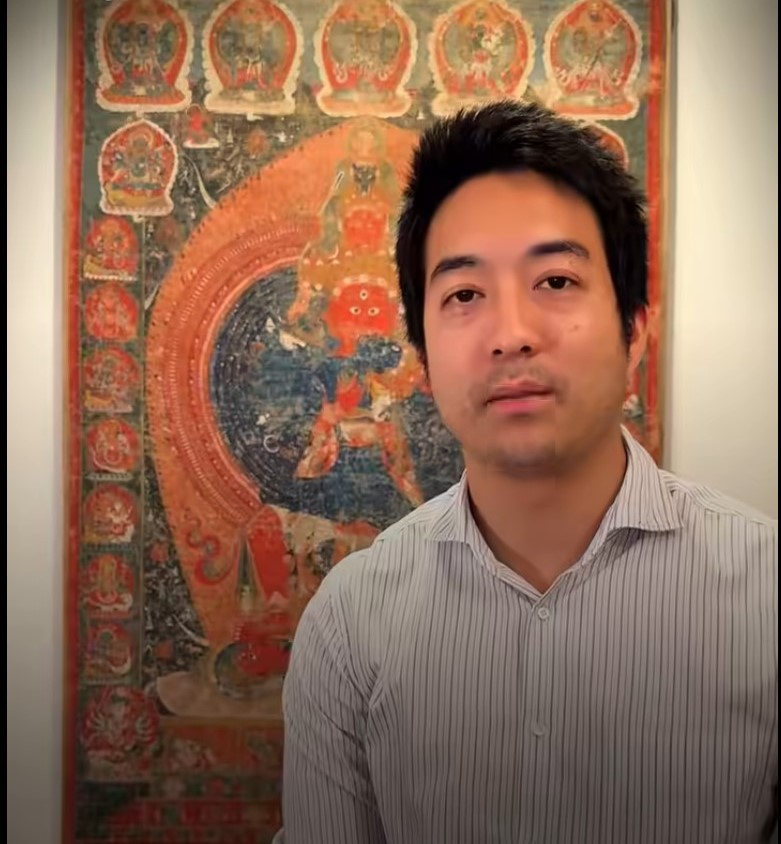
Inspired by Markji’s lifelong devotion, study, and pioneering scholarship on the Goddess Kubjikā and her central place within our tradition, we are delighted to announce a forthcoming series of lectures by Dr. Pongsit Pangsrivongse. As one of the foremost specialists in the field, Dr. Pangsrivongse will guide us through the history, texts, rituals, iconography, and visual culture of the Kubjikā tradition, opening new perspectives on a subject that stood at the heart of Markji’s life’s work.
These lectures will present important new research on Kubjikā-related manuscripts, texts, and visual representations, helping to deepen our understanding of one of the most significant yet least explored currents of the Kaula tradition. With this series of lectures, we open to our community and friends the ongoing work of preserving, studying, and transmitting the tradition in an authentic and responsible way, as it was entrusted to us by Markji.
The Lost Images of Kubjikā: New Perspectives on the Visual Culture of a Kaula Tradition
For decades, scholars have assumed that the Kubjikā tradition, one of the major Kaula currents of Śaiva Tantra, produced few or no iconic representations of its principal deity. The apparent absence of sculptures and paintings was often explained by the esoteric nature of the cult and the ambivalent role of images within Kaula ritual practice.
This lecture challenges that long-standing assumption by presenting a corpus of previously misidentified artworks that can now be recognized as representations of Kubjikā and Navātman, the principal deities of the tradition. Their identification is established through a close comparison with dhyānas preserved in the unpublished Paścimārcanapaddhati, one of the most important ritual manuals of the Kubjikā tradition, alongside related liturgical and manuscript sources.
Particular attention will be given to rare sculptures and paintings from Nepal, including an inscribed Kubjikā paubhā that provides valuable evidence for the historical presence and patronage of the cult. The lecture will also examine how Kaula practitioners may have understood the symbolic meaning of key iconographic features and what these discoveries reveal about the place of visual representation within the Kubjikā tradition.
By bringing together textual, manuscript, and art historical evidence, this presentation offers new insights into the ritual and visual worlds of the Kubjikā tradition, while shedding light on how Kaula practitioners may have understood the symbolic significance of these images. In doing so, it opens a new chapter in the study of one of the most important yet least understood traditions of Śākta-Śaiva Tantra.
The Sixfold Transmission and the Hidden Images of Kubjikā in Newari Art
In this lecture, Dr. Pongsit Pangsrivongse will present new research on a rare illuminated Newari manuscript from the Philadelphia Museum of Art, demonstrating that it depicts the Ṣaḍāmnāya, the Sixfold Transmission of Kaula goddesses that became the dominant system of esoteric goddess worship in medieval Nepal. Drawing on unpublished Tantric sources and visual evidence, the lecture will explore previously unrecognized representations of important goddesses and show how a single folio depicting Kubjikā and Navātman provides the key to identifying a wider corpus of sculptures and paintings that had long remained misunderstood. The presentation offers fresh insights into the visual culture of the Kubjikā tradition and the place of goddess worship in the religious history of the Kathmandu Valley.
New Material and Textual Evidence from Nepal on the Seven Cakra Yoginīs of the Kaula
In the Kaula, among the most common set of yoginīs is a group of six known as Ḍākinī, Rākiṇī, Lākinī, Kākinī, Śākinī and Hākinī, sometimes with a seventh added called Yakṣiṇī/Yākinī. They originate in pre-10th century texts centring on the worship of Kubjikā where they serve as protective deities who consume defilers of the tradition, they become widely known in more pan-sectarian Tantras (Yoginīhṛdaya, Ṣaṭcakranirūpaṇa, Kulārṇavatantra) for presiding over the seven cakras (power centres) of the human body. Through these cakras, the seven yoginīs entered popular religion. Much of the literature, especially from the Kubjikā tradition, portrays them as therianthropic beings; often, three are feline-faced goddesses atop feline mounts, three avian-faced goddesses atop avian mounts with the seventh as a bear-faced deity atop a bear. To my knowledge, no physical depiction of these seven in their animal-headed form is identified in secondary literature. In this talk, I use unpublished Tantric texts (the Śrīmatottaratantra and liturgical works from the Kathmandu Valley) alongside unstudied works of art to prove that depictions of this group do in fact exist.
Individual lectures — $35 each
| Lecture | Price | Purchase |
|---|---|---|
|
Lecture 1 — The Lost Images of Kubjikā: New Perspectives on the Visual Culture of a Kaula Tradition 17th July 2026 — 4pm CET |
$35 |

|
|
Lecture 2 — The Sixfold Transmission and the Hidden Images of Kubjikā in Newari Art 24th July 2026 — 8:00pm Bangkok / 3:00pm CET / 6:30pm India |
$35 |
|
Email support: If you have questions of a more personal or individualized nature, concerns about the course, please email info@anuttaratrikakula.org, and we will respond to your question confidentially and appropriately. For more advanced intellectual or content-related matters, we will forward your question to Dr. Mark Dyczkowski to respond to you directly.
We hope you will enjoy the course and that you will join us for more as we go forward.
OM SAUḤ PARĀYAI NAMAḤ